

Selecting the correct size for a paper folding box is critical for product protection, shipping costs, and customer satisfaction. A paper folding box that is too large allows movement and damage. A paper folding box that is too small cannot close properly. Whether you need a foldable paper box for e-commerce or a collapsible paper box for retail storage, size determines functionality. When you choose a foldable paper box, every dimension must match your product’s shape. Similarly, a collapsible paper box should fit snugly while remaining easy to assemble. Even a foldable paper gift box requires precise sizing for a premium feel. Therefore, understanding size selection rules saves time and money.
Step 1: Measure Your Product’s Length, Width, and Height
Before choosing any paper folding box, measure your product accurately. Use a ruler or calipers. Record length, width, and height in millimeters or inches. For a foldable paper box, add 3–5 mm to each dimension for clearance. This extra space prevents friction. If you plan to use a collapsible paper box, consider how the product sits inside. A collapsible paper box often needs slightly more height if the item has protrusions. For a foldable paper gift box, also measure any padding or tissue paper you intend to include. Even a folding paper gift box follows the same rule: product size + small tolerance = perfect fit. Never guess the size of a paper folding box. Incorrect measurements lead to returns and waste.
Step 2: Consider Box Depth and Product Height
After measuring length and width, focus on depth. A paper folding box must accommodate the tallest point of your product. For a foldable paper box containing a bottle or jar, depth is the most critical factor. Similarly, a collapsible paper box with multiple layers needs extra depth for stacking. If you are designing a foldable paper gift box for chocolates or cosmetics, ensure the lid closes without pressing down. A folding paper gift box should have at least 2 mm clearance above the product. For heavy items, choose a paper folding box with deeper bottom trays. A shallow collapsible paper box offers less protection. Always test depth by placing the product inside a prototype paper folding box before bulk ordering.
Step 3: Account for Inner Padding and Protective Layers
Many products require foam, bubble wrap, or dividers inside a paper folding box. These layers add thickness. When selecting a foldable paper box, add 5–10 mm to each dimension if you use padding. A collapsible paper box with foam inserts requires recalculating inner space. For a foldable paper gift box lined with fabric or velvet, increase height by 3 mm. Even a folding paper gift box with tissue paper needs extra width. Always measure the padding separately. Then add that value to your product’s dimensions. A paper folding box that ignores padding will either become too tight or bulge outward. Professional packagers always overestimate slightly when using a collapsible paper box for fragile goods.
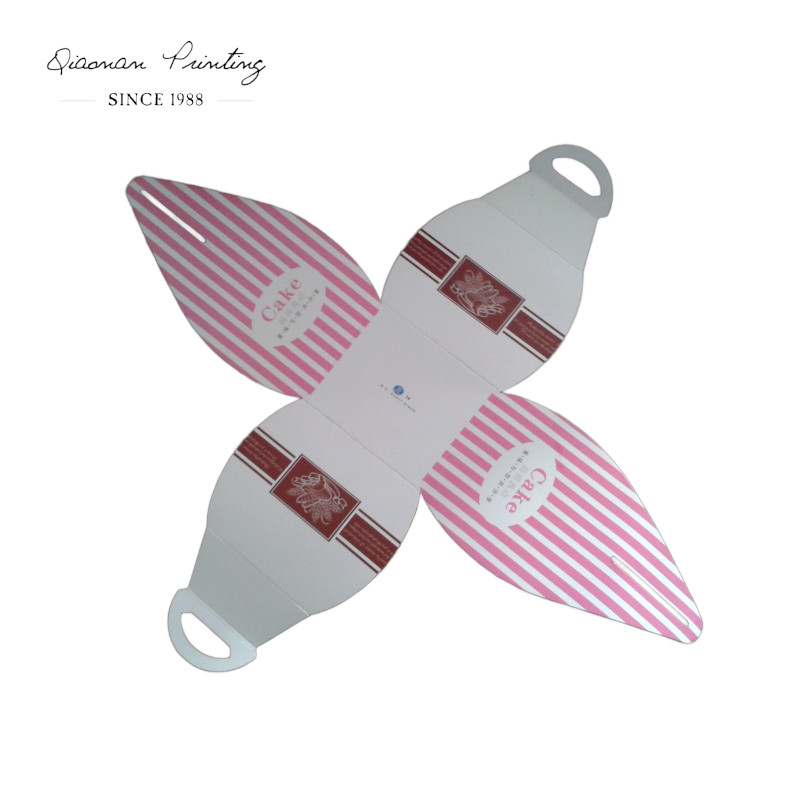
foldable paper gift box
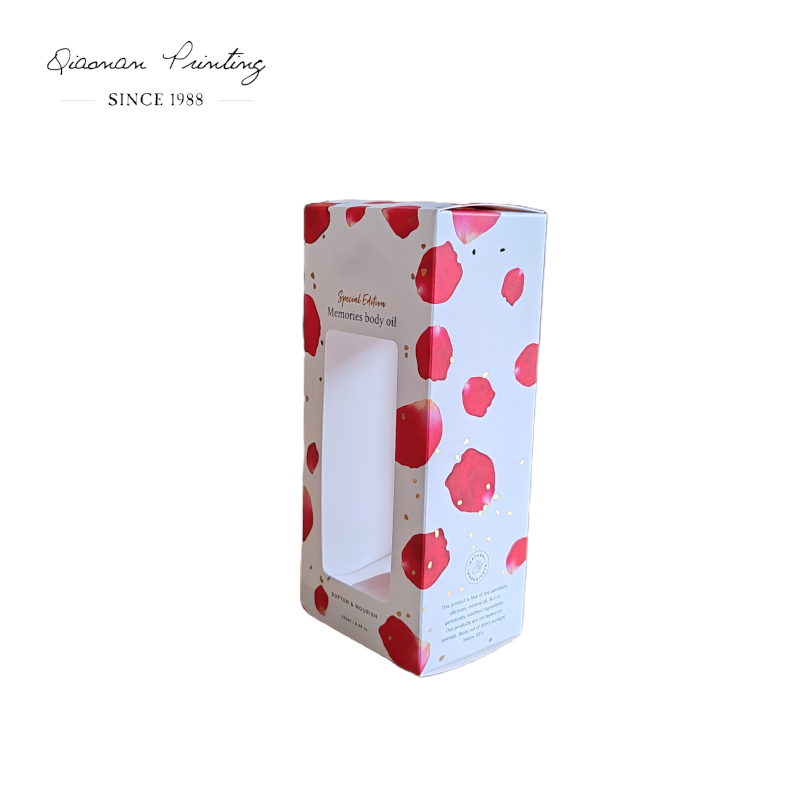
folding paper gift box
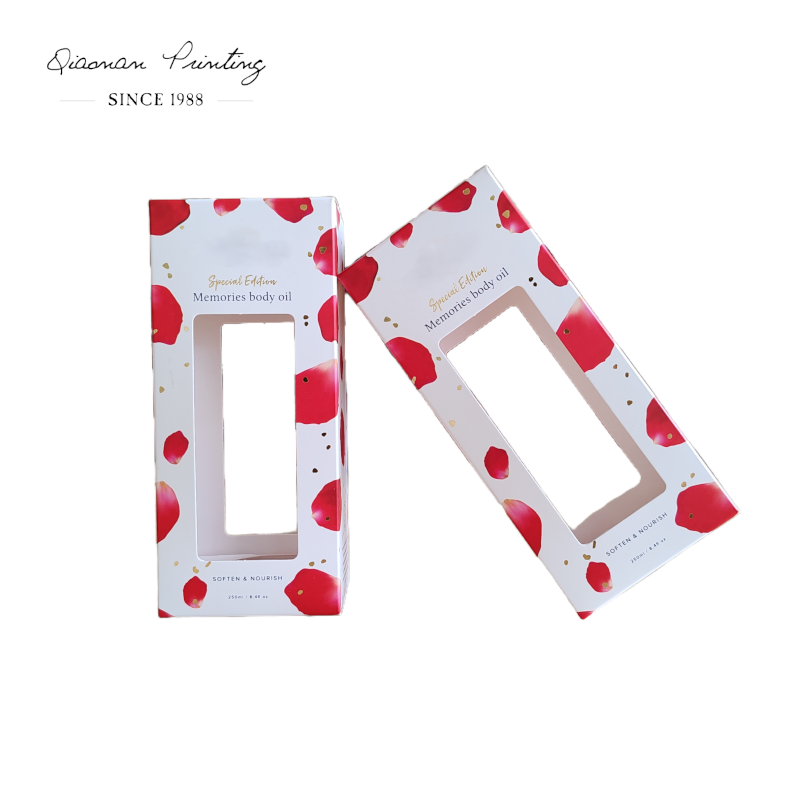
folding paper gift box
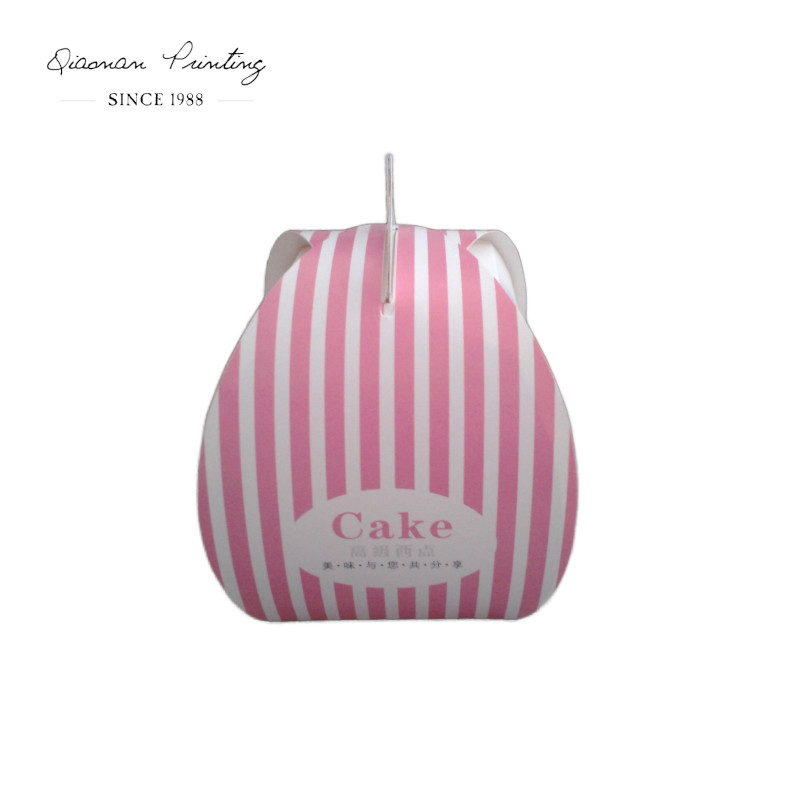
folding paper gift box
Step 4: Choose Between Standard and Custom Sizes
You have two options: buy standard-sized paper folding box units or order custom dimensions. Standard foldable paper box sizes are cheaper and ship faster. However, a standard collapsible paper box may leave empty gaps. For gift items, a foldable paper gift box should look tailored. A folding paper gift box that is too loose feels cheap. Custom-sized paper folding box orders require longer lead times but ensure zero wasted space. Many luxury brands prefer a custom foldable paper box for electronics or jewelry. A custom collapsible paper box also reduces cardboard waste. If you sell high-value products, invest in a custom paper folding box. For low-cost items, standard sizes usually work. Always request a sample folding paper gift box before mass production.
Step 5: Test Assembly and Closure Before Bulk Ordering
Before committing to thousands of units, test your chosen paper folding box size. Assemble one foldable paper box and insert the product. Close the lid or tuck flaps. Check for resistance. A good collapsible paper box should close smoothly without bulging sides. For a foldable paper gift box, shake it gently – no internal movement means correct sizing. A folding paper gift box that rattles needs smaller dimensions or more padding. Also test how a paper folding box stacks with others. A collapsible paper box that deforms under weight is too weak. Finally, ask a colleague to open your paper folding box blindly. If they struggle to close it, size is wrong. These simple tests prevent expensive mistakes.
Choosing the right paper folding box size requires measuring product dimensions, accounting for padding, testing closure, and deciding between standard or custom options. Whether you need a foldable paper box for daily shipping, a collapsible paper box for storage efficiency, a foldable paper gift box for retail, or a folding paper gift box for special occasions, the same principles apply. A well-sized paper folding box reduces damage, lowers shipping costs, and enhances brand reputation. Always order samples and test thoroughly. Now you know exactly how to choose the right paper folding box size like a professional packager. Apply these steps to all your foldable paper box projects and enjoy perfect-fitting, secure packaging every time.
At Qiaonan Industrial , the bold array of custom details available on our paper shopping bags is one of our trademarks. We offer stunning, couture-quality, customized paper shopping bags with options such as ribbon handles, laminations, spot UV, hot stamping, a variety of textured papers, custom colors and more.
