

Selecting the right dimensions for a paper rigid box is a critical step in packaging design. An incorrectly sized paper rigid box can lead to product damage, excessive shipping costs, or a disappointing unboxing experience. Whether you are packaging electronics, cosmetics, or gourmet foods, precise size calculation ensures protection and presentation. This guide walks you through the professional method for sizing rigid paper boxes, with practical formulas and real-world examples. Understanding these principles will help you order paper boxes confidently and avoid costly mistakes.
1. Measure the Product Accurately Before Designing a Paper Rigid Box
The first step in calculating size for a paper rigid box is measuring your product's length, width, and height at their extreme points. Use a digital caliper or ruler to capture dimensions in millimeters for precision. For irregularly shaped items, measure the longest, widest, and tallest profiles. Remember that a paper rigid box must accommodate not just the product but also any internal cushioning or inserts. Many buyers of kraft rigid boxes forget to account for protective layers, resulting in a paper gift box that is too tight. Always add a minimum of 3mm to 5mm of clearance on each side for easy insertion and removal.
2. Add Interior Clearance for Protective Packaging
Once you have the product dimensions, you must add interior clearance. For a standard paper rigid box, add 3mm to 8mm to each dimension depending on the fragility of the item. This space accommodates foam, tissue paper, corrugated inserts, or velvet liners. For example, if your product is 100mm long, 80mm wide, and 50mm high, the interior dimensions of your paper boxes should be approximately 106mm x 86mm x 56mm. Kraft rigid boxes used for eco-friendly packaging often require extra clearance because natural fiber inserts are slightly thicker. A paper gift box with too little clearance will crush the product; too much clearance allows movement and potential damage.
3. Understand the Difference Between Interior and Exterior Dimensions
A common mistake when ordering rigid paper boxes are confusing interior dimensions with exterior dimensions. The interior dimension refers to the usable space inside the paper rigid box after assembly. The exterior dimension includes the thickness of the box walls, which typically ranges from 1.5mm to 3mm per side. For a paper rigid box with 2mm thick walls, the exterior length equals interior length plus 4mm (2mm for each side). If you need a paper gift box that fits into an outer shipping carton, calculate exterior dimensions carefully. Paper boxes with thicker walls offer more protection but take up more shipping volume.
4. Calculate Wall Thickness Based on Product Weight and Fragility
The wall thickness of a paper rigid box directly affects both interior capacity and exterior size. Lightweight products under 500g can use 1.5mm thick rigid board. Heavy items over 2kg require 2.5mm to 3mm thick board for adequate protection. For kraft rigid boxes shipping ceramic or glass items, a 2.5mm wall thickness is recommended. Remember that each millimeter of wall thickness adds 2mm to the exterior dimensions (both sides combined). When calculating size for paper boxes intended for international shipping, err toward thicker walls. A paper rigid box with insufficient wall thickness will bulge or collapse under compression.
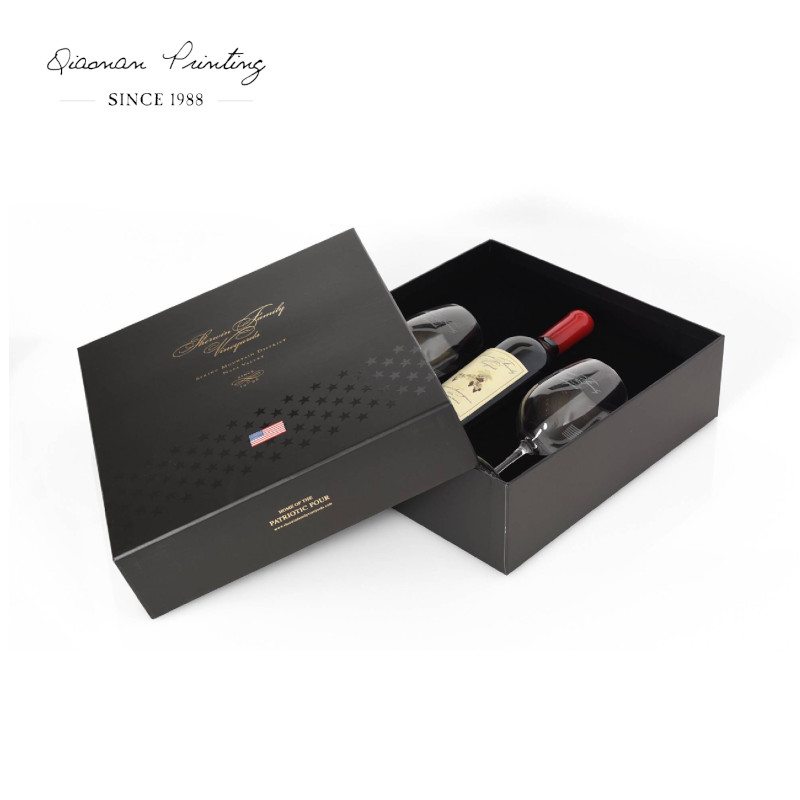
rigid paper boxes
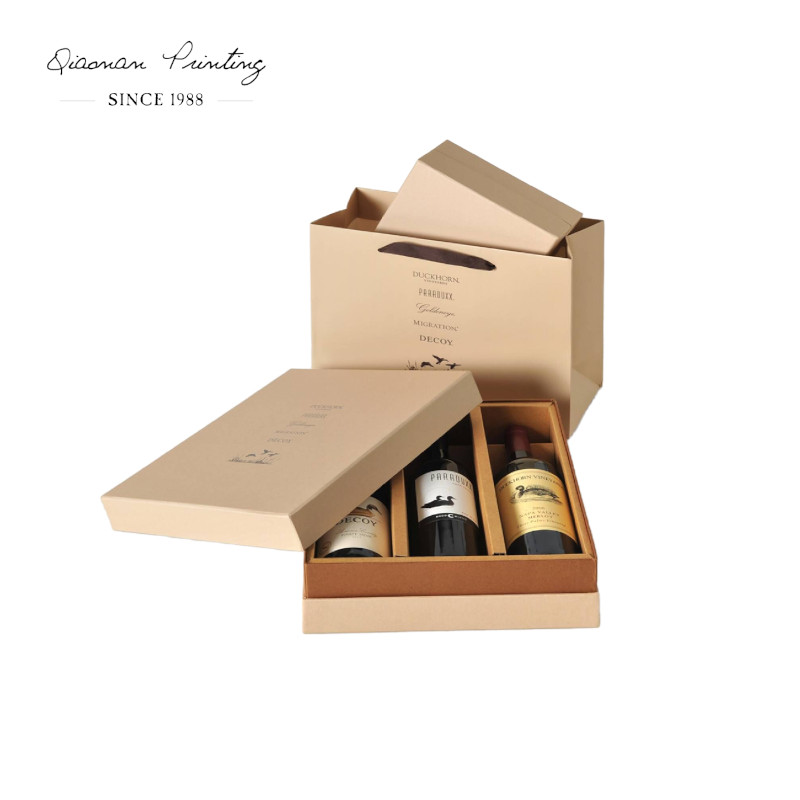
paper boxes
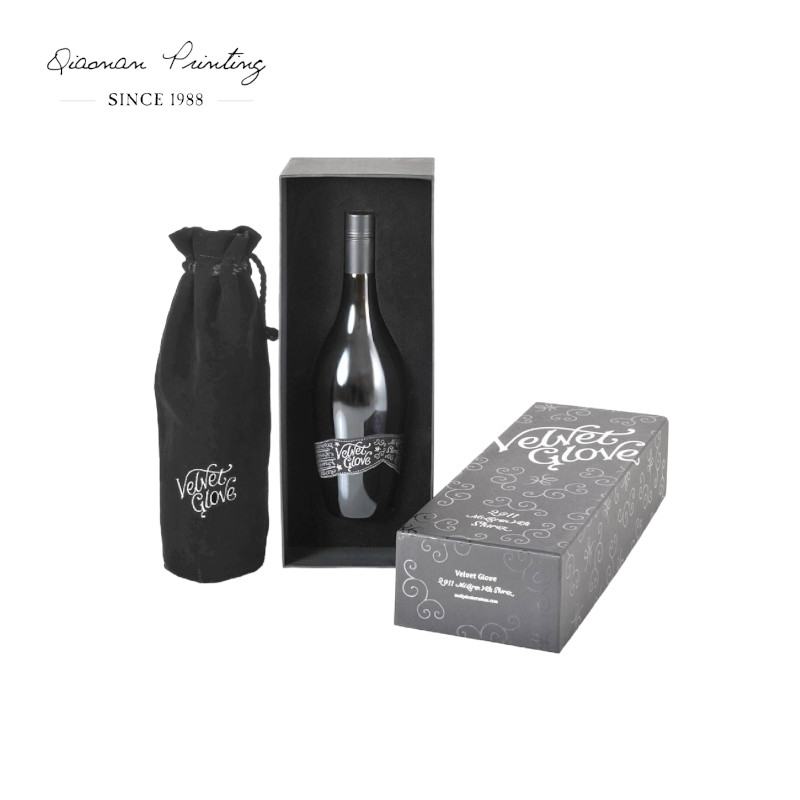
kraft rigid boxes
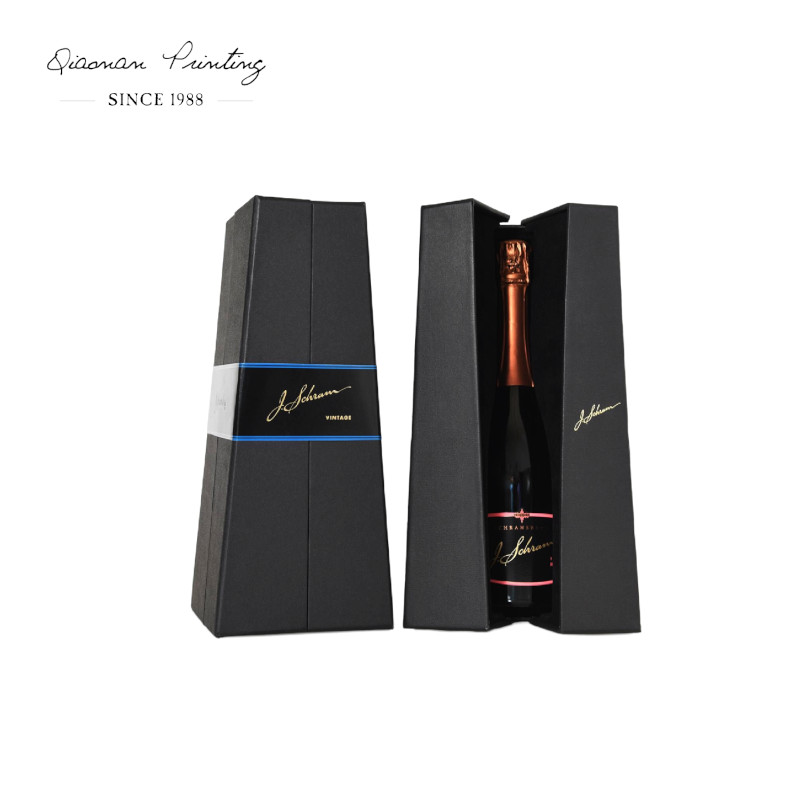
kraft rigid boxes
5. Account for Lid and Base Fit (Telescoping Design)
Many paper rigid boxes use a telescoping lid and base design, where the lid fits over the base. This configuration requires precise calculation to ensure a snug but removable fit. The base of the paper rigid box should be approximately 1.5mm to 2mm smaller in each dimension than the lid interior. For example, if the lid interior measures 110mm x 90mm, the base exterior should measure 108mm x 88mm. Rigid paper boxes with too tight a lid will be difficult to open; too loose a lid will fall off during shipping. For a paper gift box with a magnetic closure, the lid-to-base gap must be exactly 1.5mm for the magnets to align properly.
6. Use the Standard Formula for Paper Rigid Box Sizing
Professional packaging engineers use a standard formula when calculating a paper rigid box. Start with product dimensions (L x W x H). Add interior clearance (3mm to 8mm per side) to get interior box dimensions. Add wall thickness (1.5mm to 3mm x 2) to get exterior dimensions. For a telescoping lid and base box, the base exterior should be 1.5mm to 2mm smaller than lid interior. For kraft rigid boxes with inserts, add an additional 2mm to interior clearance. Always round up to the nearest millimeter. Paper boxes manufactured to exact specifications will perform consistently. Test your calculations by ordering a prototype paper rigid box before mass production.
7. Common Sizing Mistakes and How to Avoid Them
Even experienced buyers make mistakes when specifying a paper rigid box. The most common error is forgetting to account for product swelling due to humidity, especially for kraft rigid boxes containing organic materials. Another frequent mistake is ignoring the space needed for fingers to remove the product from a paper gift box—add at least 10mm of height clearance for easy access. Rigid paper boxes ordered without testing prototypes often arrive with lids that won't close. Always request a physical sample of your paper boxes before full production. A paper rigid box that is 2mm too small cannot be fixed after manufacturing.
8. Use a Sizing Checklist Before Placing Your Order
Before finalizing your paper rigid box dimensions, use this professional checklist. First, confirm product dimensions with a calibrated tool. Second, add interior clearance based on product fragility. Third, select wall thickness according to product weight. Fourth, calculate exterior dimensions for shipping carton compatibility. Fifth, determine lid-to-base tolerance for telescoping rigid paper boxes. Sixth, review for finger access and insert accommodation. Seventh, order a prototype paper rigid box for physical testing. Kraft rigid boxes should be tested under actual shipping conditions. A well-sized paper gift box protects the product, delights the customer, and controls logistics costs.
Calculating the correct size for a paper rigid box requires measuring your product, adding appropriate clearance, understanding wall thickness, and accounting for lid-and-base fit. By following the professional formula outlined above, you can order rigid paper boxes that protect fragile items and present your brand beautifully. Whether you need kraft rigid boxes for sustainable packaging, a paper gift box for retail displays, or custom paper boxes for e-commerce, precise sizing is the foundation of packaging success. Invest time in calculation, test with prototypes, and your paper rigid box will perform perfectly.
