

Corporations today face mounting pressure to improve Environmental, Social, and Governance (ESG) scores. Packaging choices directly impact waste reduction targets and carbon accounting. While reusable options exist, paper bags have reemerged as a practical alternative. But can paper bags genuinely support ESG commitments? This article analyzes how paper bags contribute to measurable ESG outcomes.
1. Environmental Benefits of Biodegradable Materials
The "E" in ESG demands reduced pollution and marine litter. Unlike plastic, brown paper bags decompose naturally within months, leaving no microplastics. When companies adopt brown paper bags, they lower their landfill contributions and avoid long-term ecosystem harm. For ESG reporting, brown paper bags also come from renewable resources—trees. Similarly, kraft paper bags use unbleached, strong fibers that require fewer chemicals during production. Switching to kraft paper bags helps firms disclose reduced hazardous waste. Both brown paper bags and kraft paper bags support circular economy claims, as they are widely recyclable and compostable.
2. Social Responsibility and Consumer Trust
Social criteria in ESG examine stakeholder perception and brand ethics. Modern consumers actively avoid excessive plastic, preferring paper shopping bags at checkout. Providing paper shopping bags signals environmental stewardship, boosting customer loyalty. For retail and hospitality sectors, paper shopping bags also reduce visual pollution in communities. Furthermore, paper gift bags enhance the gifting experience while aligning with zero-waste values. Employees and investors increasingly scrutinize packaging policies; using paper gift bags for corporate events or paper shopping bags for merchandise demonstrates tangible action. Training staff to reuse paper gift bags further strengthens social governance narratives.
3. Governance and Regulatory Compliance
Governance requires adherence to evolving plastic bans and extended producer responsibility (EPR) laws. Many jurisdictions now mandate compostable or recyclable carryout options—positions that kraft paper bags naturally satisfy. By sourcing kraft paper bags from Forest Stewardship Council (FSC)-certified mills, companies provide auditable evidence of responsible procurement. For internal governance, switching all retail points to paper shopping bags eliminates regulatory risks associated with single-use plastic fines. Additionally, brown paper bags are accepted in most municipal composting programs, simplifying waste diversion reporting. Documenting the transition to brown paper bags can become a key performance indicator in ESG disclosures.

brown paper bags
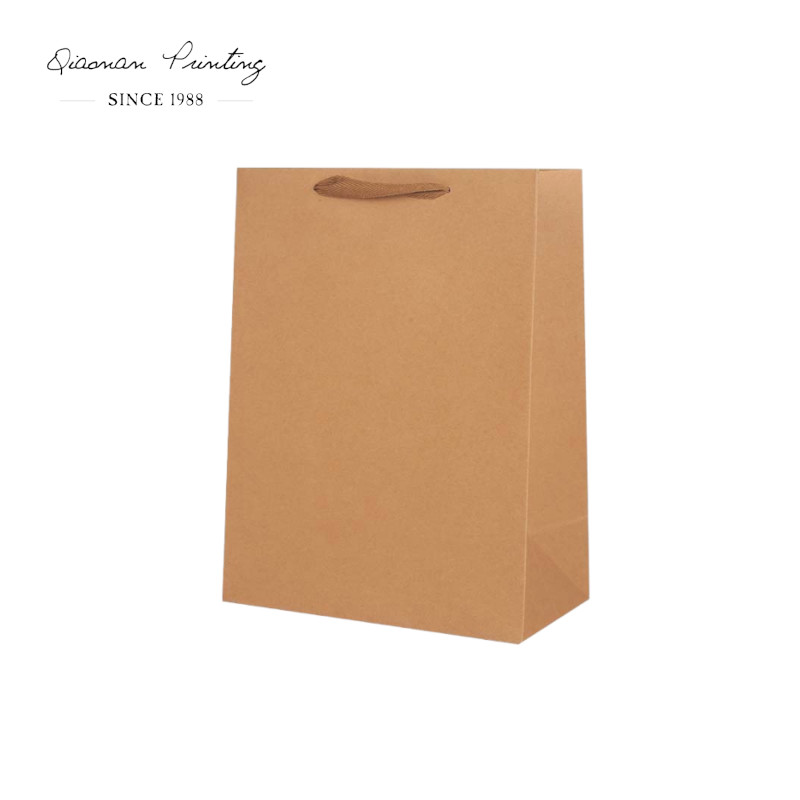
kraft paper bags
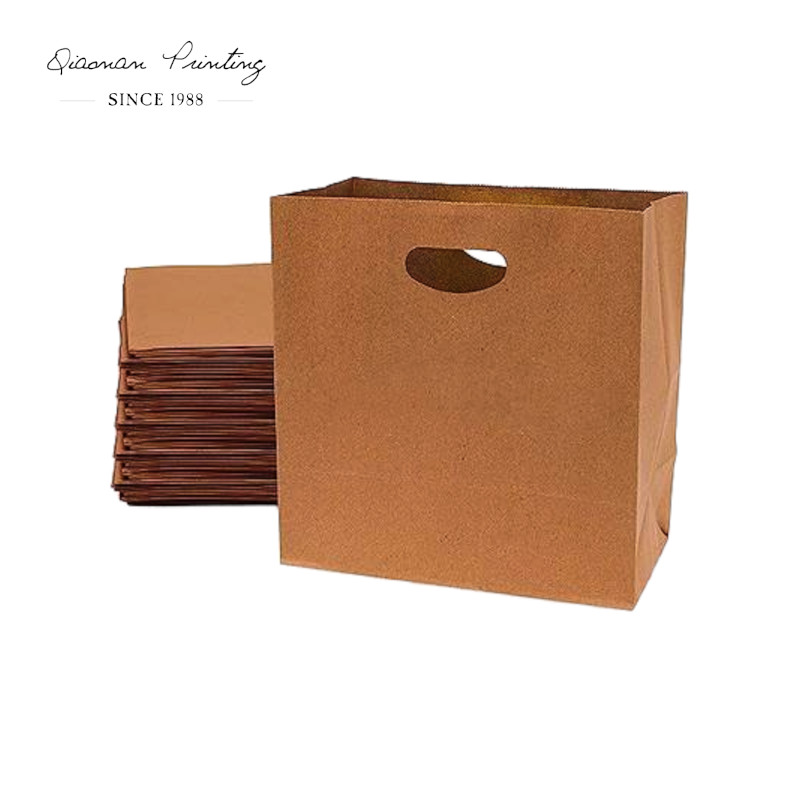
paper gift bags

kraft paper bags
4. Circular Economy and Carbon Footprint
A full ESG lifecycle analysis must consider production and end-of-life. Paper bags generally have higher upfront carbon than thin plastic—but their end-of-life emissions differ radically. When paper bags are recycled or composted, methane generation from landfills drops. Modern mills producing kraft paper bags increasingly rely on renewable black liquor bioenergy. For paper shopping bags, using recycled content reduces water and energy per bag. Paper gift bags, because they are often reused multiple times, spread environmental impact across many uses—improving their carbon ROI. Compared to oxo-degradable plastics that fragment into toxins, paper gift bags offer a cleaner closed-loop system.
5. Practical Steps for ESG Integration
To meet ESG goals effectively, companies should phase in paper shopping bags across high-volume channels. Replace plastic mailing envelopes with kraft paper bags for e-commerce orders. For promotional giveaways, customize paper gift bags with brand messaging and reuse instructions. For catering or bulk goods, distribute brown paper bags instead of poly bags. Set measurable targets: 100% transition to paper bags by a specific year, tracked via purchase orders and waste audits. Communicate these shifts in annual sustainability reports, highlighting partnerships with certified kraft paper bags suppliers. With consistent use paper shopping bags transform packaging from a liability into an ESG asset.
Replacing plastic bags with paper bags can directly improve environmental indicators, meet society's demand for clean brands, and ensure that companies comply with corporate governance requirements. At Qiaonan Industrial , the bold array of custom details available on our paper shopping bags is one of our trademarks. We offer stunning, couture-quality, customized paper shopping bags with options such as ribbon handles, laminations, spot UV, hot stamping, a variety of textured papers, custom colors and more.
